
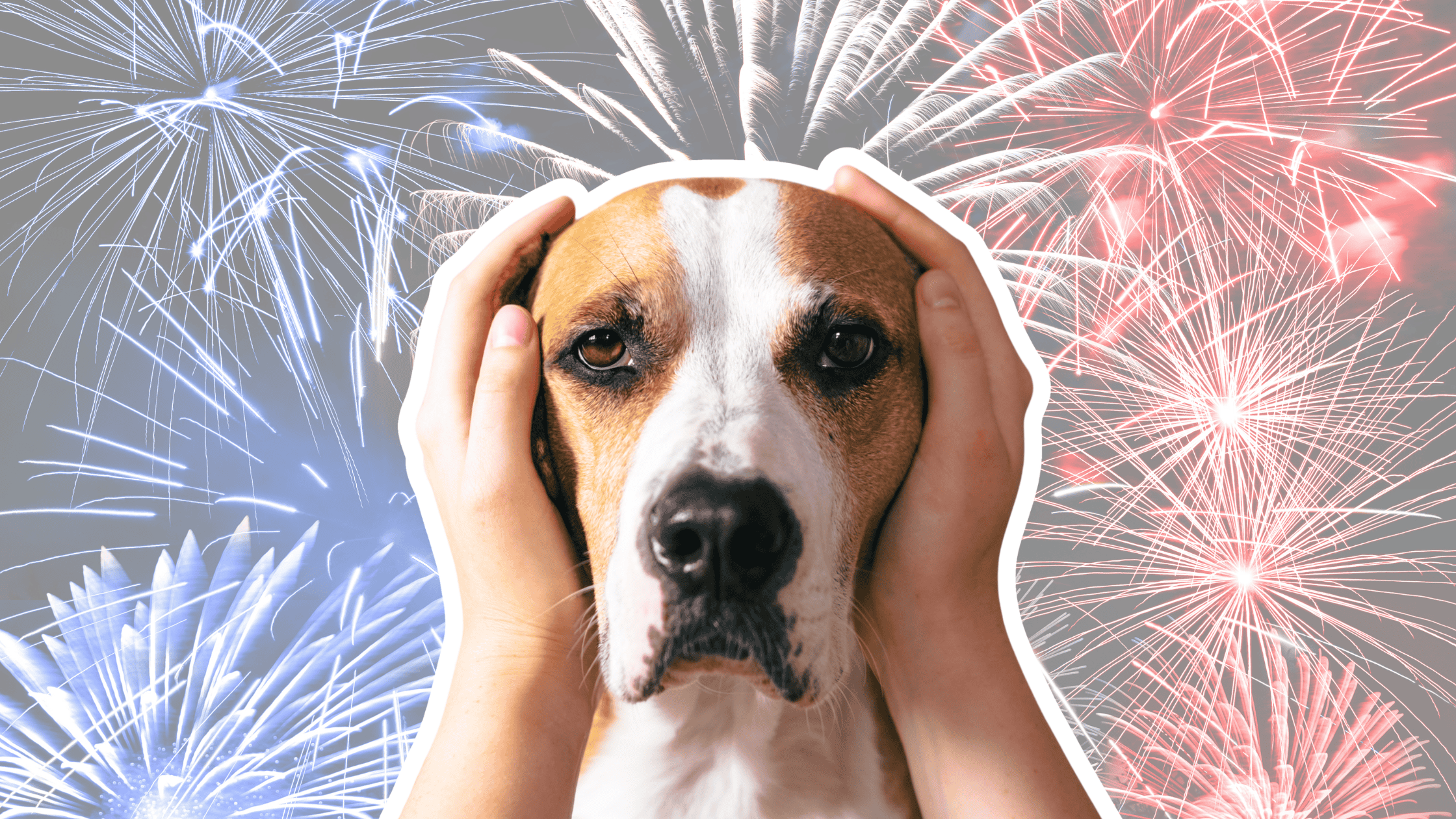
Dog Noise Aversion: Helping Your Dog Stay Calm During Loud Noises
Loud noises can be frightening for many dogs, turning thunderstorms, fireworks, or even household sounds into stressful experiences. July is the perfect time to learn how to recognize the signs of noise anxiety and help your pet feel safe and secure.
At Mount Pleasant Animal Hospital, we understand how common noise aversion is and work with pet owners to create personalized plans that reduce fear and improve their dog’s quality of life.
Dog Noise Aversion: What Is It?
Noise aversion is an intense fear or anxiety triggered by certain sounds. While some dogs simply become alert when they hear loud noises, others experience significant stress that can worsen over time if left untreated.
Common noise triggers include:
- Thunderstorms
- Fireworks
- Construction
- Gunshots
- Vacuum cleaners
- Loud vehicles
- Household alarms
Every dog responds differently, and even dogs who have never been fearful before can develop noise aversion as they age.
Dog Noise Aversion: Signs Your Dog May Be Afraid
Recognizing the early signs of noise aversion allows you to help your dog before their anxiety escalates.
Common signs include:
- Trembling or shaking
- Hiding
- Panting excessively
- Pacing
- Whining or barking
- Clinginess
- Trying to escape
- Refusing food
- Destructive behavior
Some dogs may appear calm on the outside while still experiencing significant stress internally.
Dog Noise Aversion: Why Early Treatment Matters
Noise aversion often becomes more severe over time.
Without treatment, dogs may begin reacting to softer sounds or anticipate frightening events before they happen.
Early intervention can help:
- Reduce anxiety
- Prevent worsening fear
- Improve your dog’s overall well-being
- Make storms and holidays less stressful
- Strengthen your dog’s confidence
The sooner treatment begins, the better the outcome for many pets.
Dog Noise Aversion: How You Can Help at Home
There are several ways to make your dog feel more comfortable during loud events.
Helpful strategies include:
- Creating a quiet, safe space indoors
- Closing curtains or blinds
- Playing calming music or white noise
- Offering enrichment toys or treats
- Remaining calm yourself
- Avoiding punishment for fearful behavior
Every dog is different, and some may require additional support beyond environmental changes.
Dog Noise Aversion: Treatment Options
For dogs with moderate to severe anxiety, veterinary care can make a significant difference.
Treatment may include:
- Behavior modification techniques
- Prescription anti-anxiety medications
- Situational medications before predictable events
- Calming supplements when appropriate
- Referral to additional behavioral resources if needed
Our team can recommend the safest and most effective plan based on your dog’s individual needs.
For more information about helping dogs with noise aversion, watch this video:
Dog Noise Aversion: Helping Lowcountry Dogs Feel Safe
Life in the Lowcountry brings plenty of opportunities for loud noises, including summer thunderstorms, Fourth of July celebrations, neighborhood fireworks, hurricane season, and community events.
Preparing ahead of time can help reduce your dog’s stress before these situations occur.
If your dog has shown signs of fear during storms or fireworks, don’t wait until the next loud event to seek help.
Dog Noise Aversion: Compassionate Care at Mount Pleasant Animal Hospital
At Mount Pleasant Animal Hospital, we’re committed to helping pets live healthier, happier, and less stressful lives. If your dog struggles with noise aversion, our team can work with you to develop a treatment plan that fits your pet’s needs.
Call us today at (843) 884-4921 or request an appointment online to learn how we can help your dog stay calm and comfortable year-round.
Mount Pleasant Animal Hospital is proud to be part of Animal Hospitals of the Lowcountry, including:
- Mount Pleasant Animal Hospital – South Mount Pleasant
- Shuler Veterinary Clinic – Central Mount Pleasant
- Safe Harbor Animal Hospital – North Mount Pleasant
Together, we’re helping Lowcountry pets live healthier, happier lives.