
Arthritis in Dogs and Cats: Helping Your Pet Stay Comfortable and Active
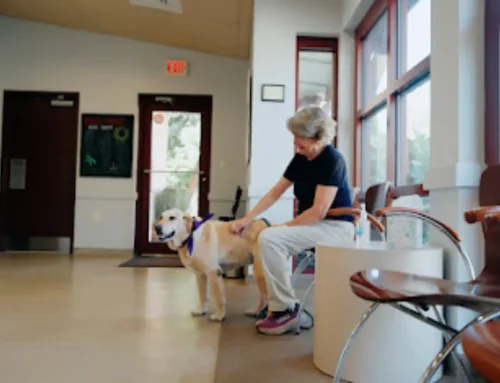
As pets age, changes in their joints and mobility can become more noticeable. You may see your dog taking longer to get up, your cat hesitating before jumping onto furniture, or your pet becoming less interested in activities they once enjoyed.
These changes are sometimes dismissed as a normal part of getting older, but stiffness, soreness, and changes in mobility can be signs of arthritis.
Arthritis is a common condition in dogs and cats, and while it cannot always be prevented, there are many ways veterinary care can help support your pet’s comfort, mobility, and quality of life.
At Mount Pleasant Animal Hospital, we want pet parents to recognize the signs of arthritis early so we can work together to help pets stay comfortable throughout every stage of life.
Arthritis in Dogs and Cats: What is it?
Arthritis is a condition that affects the joints and can cause inflammation, stiffness, discomfort, and reduced mobility.
Healthy joints allow bones to move smoothly. With arthritis, changes within the joint can make movement more difficult and uncomfortable.
Arthritis can affect pets of different ages and sizes. Older pets are more commonly affected, but younger animals can also develop joint problems due to injuries, developmental conditions, genetics, or other health factors.
Because pets cannot tell us when something hurts, recognizing changes in their everyday behavior is an important part of identifying joint discomfort.
Arthritis in Dogs and Cats: Signs of Arthritis in Pets
The signs of arthritis aren’t always obvious.
Some pets may develop gradual changes that are easy to overlook because they happen slowly over time. Others may show a more noticeable change in their activity or behavior.
Signs that may indicate your pet is experiencing joint discomfort include:
- Difficulty getting up or lying down
- Stiffness after resting
- Reluctance to climb stairs
- Hesitation before jumping onto furniture
- Less interest in walks or play
- Slower movement
- Limping or an altered gait
- Difficulty getting into or out of the car
- Changes in grooming habits
- Irritability or changes in behavior
- Spending more time resting
Cats can be especially good at hiding discomfort. A cat that stops jumping onto their favorite window perch or begins avoiding stairs may be experiencing pain even if they are not limping.
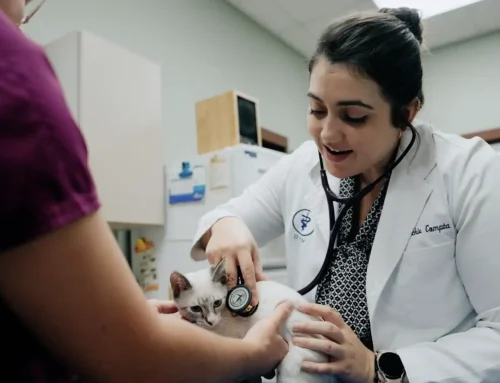
If you notice changes in your pet’s normal routine, a veterinary examination can help determine what may be causing them.
Arthritis in Dogs and Cats: Arthritis Doesn’t Mean Your Pet Has to Stop Being Active
When a pet is experiencing joint discomfort, it can be tempting to significantly reduce their activity.
However, appropriate movement can still be an important part of maintaining mobility and muscle strength.
The goal is to find activities that are appropriate for your pet’s individual health and abilities.
Depending on your pet, your veterinarian may recommend:
- Shorter, more frequent walks
- Gentle play
- Low-impact activities
- Maintaining a healthy body weight
- Providing comfortable resting areas
- Limiting activities that cause excessive strain
- Making changes to stairs or jumping areas
Your veterinarian can help you determine which activities are appropriate for your pet.
Arthritis in Dogs and Cats: How Weight Can Affect Arthritic Pets
Maintaining a healthy weight is an important part of caring for pets with arthritis.
Extra weight can place additional stress on already uncomfortable joints. Even small changes in body weight can make a difference in how easily some pets move.
Your veterinary team can evaluate your pet’s weight and body condition and help develop an appropriate nutrition and activity plan.
Weight management is not about making your pet look a certain way. It is about supporting their comfort, mobility, and overall health.
Arthritis in Dogs and Cats: Veterinary Care for Arthritis
There isn’t one treatment that works for every pet with arthritis.
Your veterinarian may recommend a combination of approaches based on your pet’s age, health, mobility, and individual needs.
Arthritis management may include:
- Weight management
- Exercise and activity adjustments
- Prescription medications when appropriate
- Joint-support recommendations
- Environmental modifications
- Physical rehabilitation
- Therapeutic treatments
The goal is to create a plan that helps your pet remain as comfortable and active as possible.
Arthritis in Dogs and Cats: Laser Therapy for Pet Arthritis
Laser Therapy for Pet Arthritis
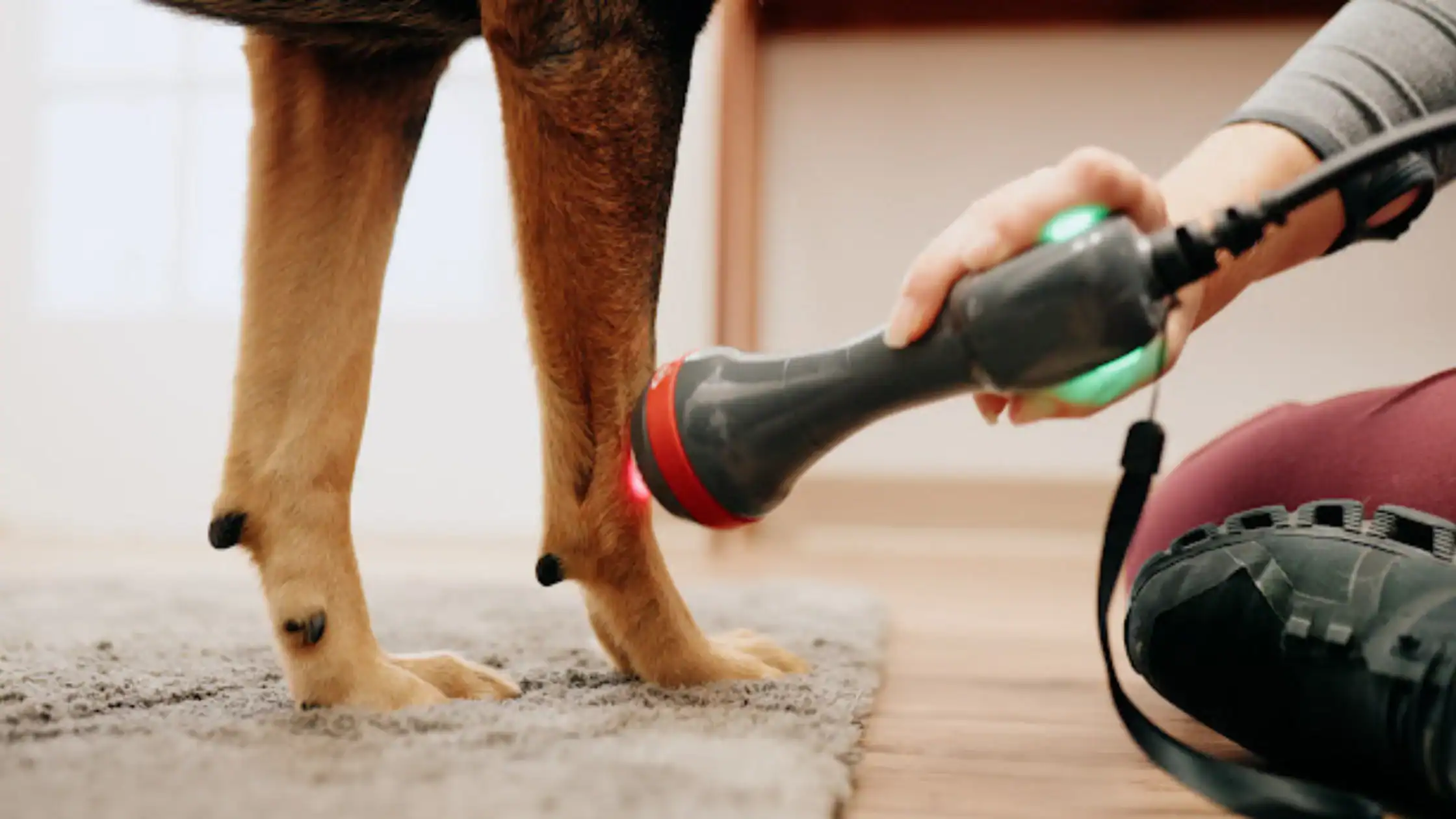
Therapeutic laser therapy is another option that may be incorporated into a pet’s arthritis care plan.
At Animal Hospitals of the Lowcountry, Companion Laser Therapy is available. Also known as photobiomodulation, laser therapy uses specific wavelengths of light as part of a non-invasive treatment approach.
For some pets, laser therapy may be used as part of a broader plan to support comfort and mobility.
Because every pet is different, your veterinarian can determine whether laser therapy may be an appropriate addition to your pet’s individual treatment plan.
Learn more about laser therapy here: https://mountpleasantanimalhospital.com/surgery-and-pain-management/#sec5
Or watch this short video:
Arthritis in Dogs and Cats: Making Your Home More Comfortable for an Arthritic Pet
Small changes around the house can make everyday activities easier for a pet with arthritis.
Consider:
- Providing a soft, supportive bed
- Using rugs or runners on slippery floors
- Making food and water easily accessible
- Using ramps when appropriate
- Providing easier access to favorite resting areas
- Keeping nails trimmed to help with traction
- Avoiding unnecessary jumping or climbing
These simple adjustments can help reduce the amount of strain placed on your pet’s joints throughout the day.
Arthritis in Dogs and Cats: Arthritis Management Is an Ongoing Process
Arthritis is generally a long-term condition, which means your pet’s needs may change over time.
A treatment plan that works well today may need to be adjusted as your pet ages or as their mobility changes.
Regular veterinary visits allow your team to monitor your pet’s comfort, weight, mobility, and overall health and make changes when needed.
Pay attention to changes in your pet’s everyday habits. You know your pet’s normal behavior better than anyone, and noticing small changes can help your veterinary team identify problems sooner.
Arthritis in Dogs and Cats: Helping Your Pet Live Comfortably With Arthritis
A diagnosis of arthritis does not mean your pet has to stop enjoying the things they love.
With veterinary care, appropriate activity, healthy weight management, environmental changes, and treatments such as laser therapy when appropriate, many pets can continue to enjoy a comfortable and active life.
At Mount Pleasant Animal Hospital, we’re here to help you understand changes in your pet’s mobility and create a care plan based on their individual needs.
If you have noticed stiffness, decreased activity, difficulty getting up, or other changes in your pet’s mobility, give our team a call.
Call Mount Pleasant Animal Hospital at (843) 884-4921 or request an appointment online today.
Mount Pleasant Animal Hospital – South Mount Pleasant
Shuler Veterinary Clinic – Central Mount Pleasant
Safe Harbor Animal Hospital – North Mount Pleasant
Together, we’re committed to caring for your pets as our very own.